Unknown's avatar

About elzbthc

I am a Graphic Artist and The Tomato Lady in the Spokane Valley, WA. I love creating beautiful things, horses, quilting, traveling, sightseeing, cooking, entertaining, and reading among other things.

The Letter of the Day is D: “D” is for the Tomato Delicious

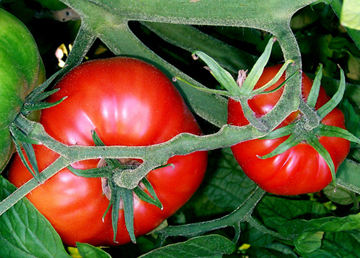
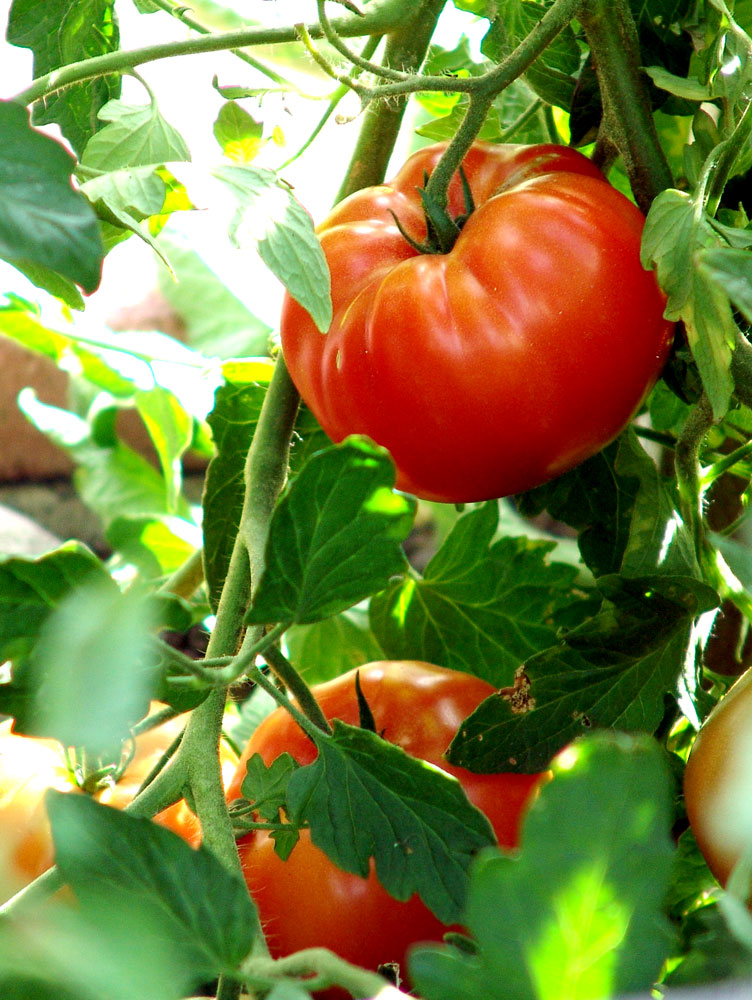
Delicious is a geat tomato that most of never heard of. It is known also as Burpee Delicious in some circles. In my garden it produced reliably and for a long time. The fruits were large and a beautiful dark red. This is good tomato for canning and hamburgers. Yummm. Below is the description from my website.

An excellent slicer, with most fruits over 1 pound – many 2 to 3 pounds – and still holds the world record of 7+ pounds for a single fruit! Produces smooth and solid fruits that seldom crack, with small cavities, nearly solid meat, and excellent flavor. Developed from Beefsteak after 13 years of careful selection. This is a very reliable tomato, not unlike Rutgers although Delicious gets considerably larger. Alas, I have no peppers that start with “D” today

Image

Delicious

Image

Rutgers


The Letter C: “C” is for the Tomato Cosmonaut Volkov and Chinese 5 Color Pepper

Image

Cosmonaut Volkov

This is an excellent variety with a sweet/tangy flavor. It has heavy yields of big fruit of around 4-5 inches in diameter–great for fresh eating!

Early enough for a quick Russian summer and with a taste that’s positively celestial, Cosmonaut Volkov Tomatoes will land a regular spot in your garden. The variety is of Ukrainian origin, but was selected by Russian space engineer turned avid gardener Mikhailovich Maslov. He thought it one of the best of his garden and named it after his comrade Vladislav Volkov, a Russian astronaut who perished while returning from the first visit to the Earth’s first space station. This exceptional variety will keep the spirit of adventure alive in your garden.

I am looking forward to trying this for the first time. I heard about it from a customer who requested it. 

In doing research online I found some info about seeds going to space for experimental purposes. They want to find out how they would react to radiation and low gravity. Some mutations were noted but otherwise they seemed to be fairly healthy. For more information, follow this link. http://nyti.ms/1h9vm1O 

Quite fascinating


Image

Image

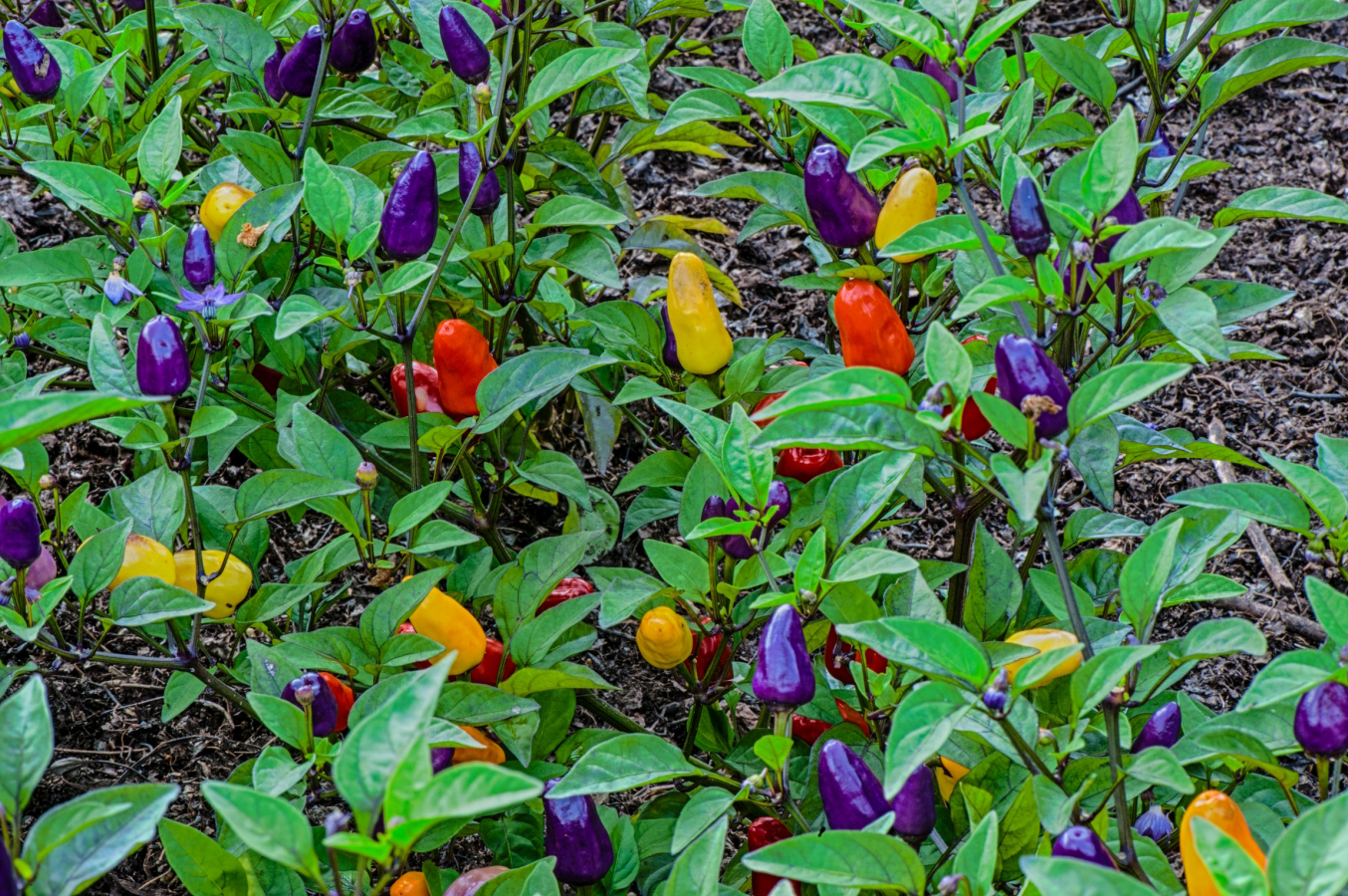
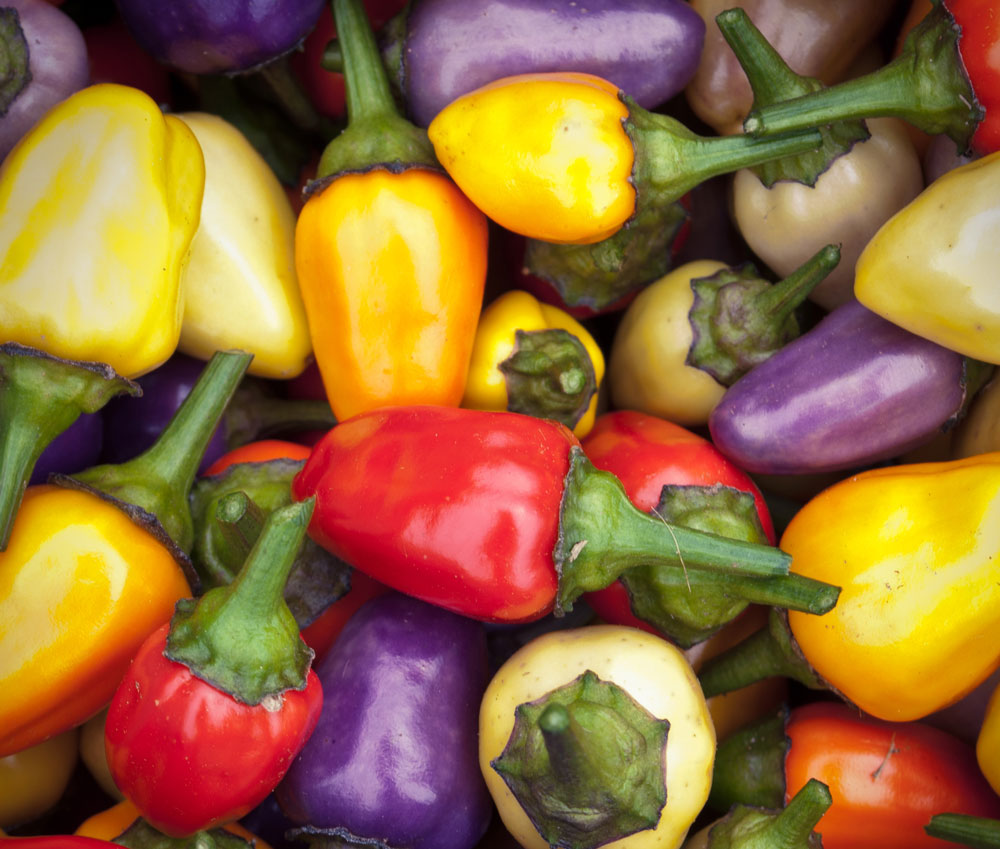
Chinese 5 Color

Although I haven’t grown this one yet, it looks to be very promising. I don’t eat hot peppers but it would be gorgeous in a pot mixed with petunias and lolelia. This plant produces screaming hot little peppers that turn a rainbow of vibrant colors; from purple, cream, yellow, orange to red as they ripen. Plant them in your flowerbeds for more impact, guaranteed to elicit comments.

The Letter of the Day is B: “B” is for Blush and Bhut Jolokia

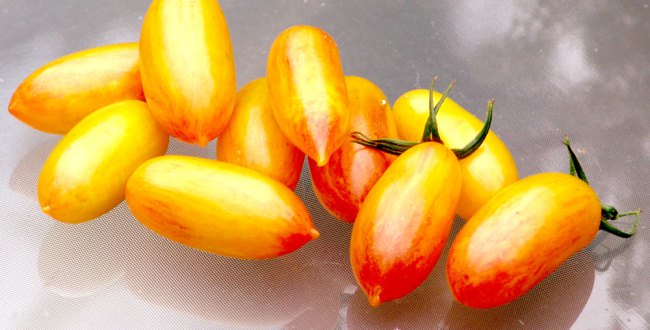
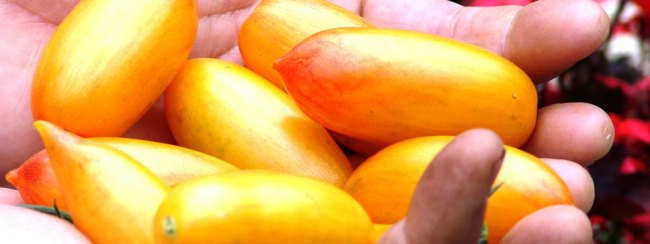
Image Image

Blush is a beautiful heirloom tomato that I grew for the first time last year. When I ordered it from Baker Creek Seeds, for some reason I thought it was a paste tomato. After further reading (the seed packet) I realized it was actually a small grape shaped cherry. What attracted me to it was, of course, it’s light golden color blushed with red streaks. I am crazy about stripes! The plant grows about 5-6 feet high and was absolutely loaded with these tomatoes. Finally they ripened and I couldn’t wait to try them.

 My first impression was that they were tart. As I bit into it, my mouth was flooded with sweetness. after about three of them I figured out what made them so unique. The skin (first impression) was tart and the inside (second impression) was sweet for a pleasant combination.

My only observation is that they have thin skins and tend to split which is not uncommon in a cherry tomato. The taste and appearance make it worth growing.

Image

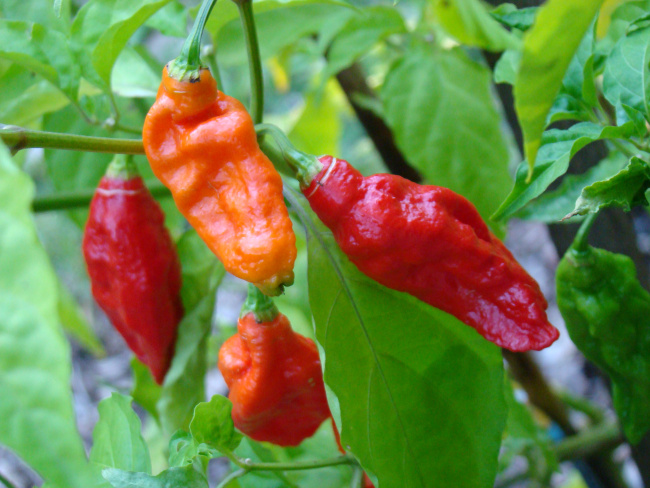
Bhut Jolika (Ghost Pepper)

Ah, the infamous ghost pepper that everyone is talking about. Also known as Naga Morich. Legendary variety, one of the world’s hottest peppers, if not the hottest, with readings in excess of 1,000,000 Scoville units! Bhut Jolokia starts out slow but eventually makes tall plants, exceeding 4 ft in favored locations. The thin-walled, wrinkled, pointed fruits reach 2-3” in length, ripening mostly to red.

I would advise caution if you are going to eat these. I am selling a limited amount of these and wonder if should buyers sign a disclaimer!

The Letter “A” for the Ananis Noir Tomato and Alaku Sarga Szentes Pepper


Ananis Noir

Ananis Noir on a kitchen scale weighing 2.2 pounds

Ananis Noir

The name of this tomato is French for black pineapple. It arose out of a planting of the Pineapple tomato in a Belgian garden.

Image

The fruit ranges from very large, as you can see in the picture, to medium. The color and flavor are totally different than that of it’s parent. The exterior is dark purple and green with pink-red splotches and a touch of yellow, while the inside is bright green streaked with pink. The hues bleed into one another reminding me of a piece of tie-dyed fabric. Not only is it pretty but the flavor is outstanding, sweet yet rich and delicious. These are arge plants and should be staked.. They are sure to wow your friends and neighbors. I would consider this a main season tomato.


Alaku Sarga Szentes – Sweet Pepper

I am growing this pepper for the first time. I saw it in the Baker Creek Seed catalog and since I love pretty colors and unusual shapes, I chose to offer it this year. From my website:

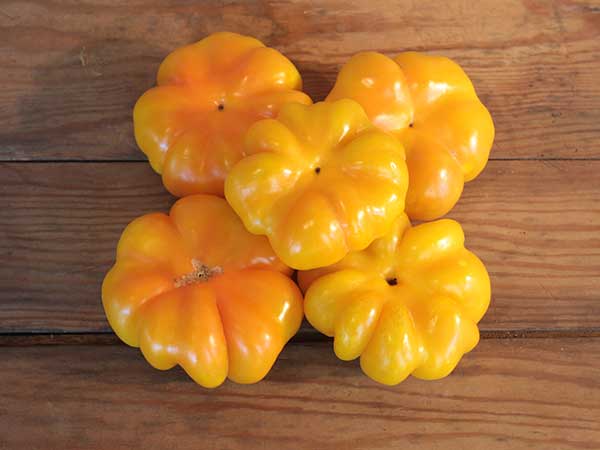
“This is a spectacular pepper from Hungary.  Pumpkin-shaped fruits are 3-4 inches in diameter, and are flattened and deeply ribbed, looking like little wheels of cheese. This pepper has sweet, incredibly thick walls that stay crisp. The compact, productive plants are loaded with bright yellow-orange fruits.

This rare variety was collected at a farmers’ market in Matrafured, Hungary, but deveoped in Szentes, Hungary.”

Try stuffing these with chicken salad or baking them with a hamburger, cheese, and rice stuffing.

Alaku Sarga Szentes

Alaku Sarga Szentes – What a lovely little pepper!

The Wonderful World of Tomatoes (And Some Peppers) My A to Z Theme

Image

Does anyone REALLY know how many varieties of tomatoes there are in the world? I am going to hazard a guess that no one does. I do know that there are hundreds and hundreds of tomatoes, with different colors, shapes, uses, flavors and growing habits. New hybrids are always on the forefront.  I even developed my own – “Mister E” which started as a mystery, but is now one of our favorites.

I raise  tomato and pepper plants using organic methods and sell them every April and May. This year I have 1300 pepper plants (41 varieties) and about 6500 tomato plants (154 varieties). Not only do I sell, but I like to educate people about growing their own food. during this A-Z Challenge I will showcase some of the tomatoes I grow and hopefully have the time to throw in a few peppers.

Now, you probably want to know what my credentials are, what makes me an “expert”. Read on…

I started my gardening journey as a child – my parents had a HUGE garden, and grew Early Girls, Beefsteaks and Roma tomatoes as well as other vegetables and plants. While I loved seeing things grow, I did not like weeding, although my mother claims I actually enjoyed it!

Eighteen years ago – the dark ages to some of you – I started gardening again in Spokane. I started with the standard varieties, but soon became bored and searched for others. Oh, the seed catalogs wooed me with their glossy pages and colorful pictures and tantalizing descriptions of tomatoes I had never even heard of. I started ordering tomatoes with names like Mortgage Lifter, Green Zebra, Orange Russian, Ananis Noir, and Sungold. I was in heaven and as every good gardener does, I planted the entire seed packet.  Usually 25-40 seeds with almost 100% germination! What was I going to do with all my tomato plants?

That first year the excess plants were put in the driveway along with a coffee can as a money box and a sign inviting folks to buy them. People loved them and were as happy as I was to try the different kinds of tomatoes. From there I started doing a local garden show – “The Garden Expo.” In a sense, I have grown with them. I started with one booth and a small greenhouse when it was a small show. Now it is a regional event held at the local community college campus, with 15,000+ customers anticipated this spring, and I have 3 greenhouses growing 6,500 tomato plants, 1,300 peppers, and some herbs. If you make to Spokane on Mother’s Day weekend, stop by on Saturday; my 4 booths are located just beyond the entrance.

Since I started my business, I have researched and grown all kinds of tomatoes – heirloom, patio, early, etc. This year we are planting over 154 varieties! I will be highlighting many of them in my blog in the days to come. I have also developed my own garden soil mix and determined the best fertilizers and additives to get great, tasty tomatoes. I became a Master Gardener for six years to learn more, and also to teach others. Now, my husband calls me the Garden Master, but I am not sure if that is because he thinks that I know a lot about gardening, or because I am always putting him to work in the garden!

Each year we grow something new and learn something as well. Do I know everything? No, but I am always learning and I like to share with others what I know. My next challenge is figuring out how to ship my plants – I have had a number of inquiries from across the United States for plants.

In truth, I never intended to become The Tomato Lady. However my customers came up with the name and I liked it so much that I registered it with the state. When I am not in the garden, I am a graphic artist and I am married to a talented illustrator (We have to do something in the off-season!) We designed the logo and marketing materials.

I hope you will enjoy reading this blog as much as I enjoy sharing it with you. Feel free to also check out my website, TheTomatoLady.com and Facebook page, https://www.Facebook.com/theTomatoLady. God willing, we will continue the journey into tomato gardening together.

Hot Pepper Seedlings are Very Slow!

I knew that hot peppers are extremely slow to germinate and they lived up to that expectation which is why I started them so much earlier than last year. Now my gripe is that they are taking their sweet time to develop their first true leaves. Sigh. It doesn’t pay for me to rush them into their semi permanent homes if they don’t have them.

On another note, the tomatoes that I planted for an extra early crop are up. The way things are going, they will need to be transplanted before the hot peppers! That being said, the jalapenos are doing fabulous and I did get to transplant those, plus the peperoncini, the ghost pepper and the maules red hot. It’s the other hot ones I have to wait on. Go figure! Just another day in the life of a grower. Right?!?

How Can You Tell if a Tomato Tastes Good?

I am a participant in Quora and there was a question about how to tell if a tomato tastes good.  This was my answer: I have found that you can’t really tell definitively by the smell or the shape or the look of it how it will taste. There are a lot variables in what contributes to the quality of the tomato’s taste. Weather (hot or cold and how much}, watering (too much or too little), how ripe it is and most importantly, the variety.

 I have grown the same tomato from year to year and will have different results  each time. For instance, I grew a cherry tomato called Black Pearl and loved it the first year, but thought it was mushy and tasteless the second. Different growing conditions each year. When growing, i always recommend that you give it a few years since you may love it again.
Image
This is a tomato, that when you look at it, you wouldn’t think much of it. It is a golden green (which some folks thing is odd) when it is ripe and it is phenomenal in flavor. About the size of a golf ball, it bursts in your mouth with sweet juicy goodness and has a pleasant pop when biting into it. This variety behaves itself and would be great in a large pot (think half of a wine barrel) and the name of it is Green Grape.


Best Tomato Soup Recipe Ever!

Image

This is the best recipe I have for tomato soup. It is in one of my Cook’s Illustrated cookbooks. A bit more labor intensive than opening a can of “tomato” soup but well worth the effort. My tweaks are in using quarts of tomatoes that I canned, use onions instead of shallots and I don’t use cayenne or any of the alcohol in it. I also use a hand blender to puree it.

makes approximately 6 cups

2 (28 ounce) cans, whole tomatoes (not packed in puree) – drained; 
3 cups juice reserved, tomatoes seeded 
1 1/2 tablespoons, dark brown sugar 
4 tablespoons, unsalted butter 
4 large shallots – minced 
1 tablespoon, tomato paste 
pinch ground allspice 
2 tablespoons, unbleached all-purpose flour 
1 3/4 cups, chicken stock or canned low-sodium chicken broth 
1/2 cup, heavy cream 
2 tablespoons, brandy or dry sherry 
table salt 
cayenne pepper 
Adjust oven rack to upper-middle position and preheat the oven to 450 degrees; line a jelly-roll pan or rimmed cookie sheet with foil. Reserve 3 cups of the tomato juices from the cans and remove visible seeds from the tomatoes. 

Spread the tomatoes in single layer on the foil lined pan, and sprinkle evenly with the brown sugar. Bake the tomatoes in the preheated oven until all liquid has evaporated and tomatoes begin to color – about 30 minutes. Allow the tomatoes to cool slightly, then peel them off the foil; transfer the tomatoes to a small bowl and set aside. 

In a medium-size, nonreactive saucepan, heat the butter over medium heat until foaming; add the shallots, tomato paste, and allspice. Reduce the heat to low, cover, and cook – stirring occasionally – until the shallots are softened – 7 to 10 minutes. 

Add the flour and cook – stirring constantly – until thoroughly combined – about 30 seconds. Whisking constantly, gradually add the chicken stock; then stir in the reserved tomato juice and the roasted tomatoes. 

Cover the saucepan, increase the heat to medium, and bring the mixture to boil; then, reduce the heat to low and simmer – stirring occasionally – to blend flavors – about 10 minutes. 

Strain the mixture into a medium-size bowl. Rinse out the saucepan. Transfer the strained tomatoes and solids from the strainer into a blender. Add 1 cup of the strained liquid to the blender, and puree until smooth. Add the remaining reserved liquid. 

Return the pureed mixture to the saucepan, add the cream, and heat over low heat just until hot – about 3 minutes. Off the heat, stir in the brandy or sherry; season to taste with salt and cayenne, and serve immediately. 

TO MAKE AHEAD: 
This soup can be prepared through the blender process, then, cooled, covered, and refrigerated for up to 3 days – or frozen for up to 2 months. Reheat over low heat before proceeding by adding cream, brandy or sherry and final seasonings. 


Nifty Way to Plant an Accessible Kitchen Garden

Aside

1599072_10151904029761861_1289288943_o

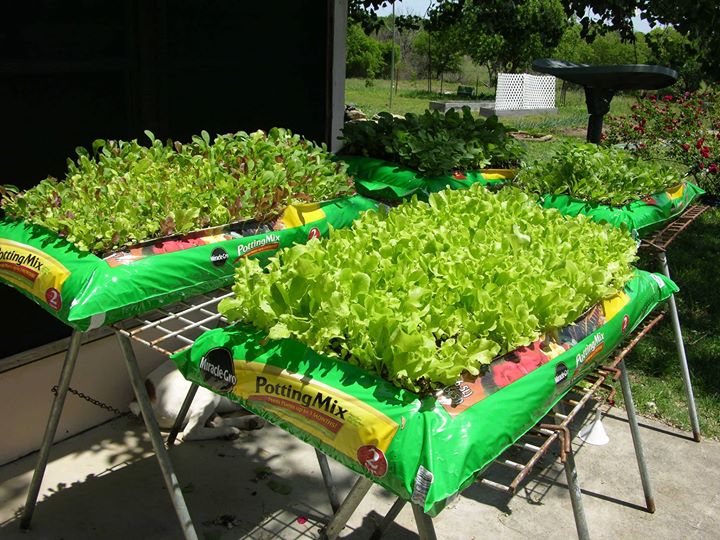
Here is a picture I saw on facebook about a different way to garden. The only caveats: the bag will weigh a lot so make sure that where you put it, is where you want it (you might try putting it on a cart with wheels if you want to move it to catch sun) and that what you put it on, is able to hold it’s weight. Also, PUT DRAINAGE HOLES UNDERNEATH, LOTS OF THEM!

Try shallow rooted veggies like radishes, round carrots, lettuce, spinach, beets etc.

The A to Z Blog Challenge

I just signed both of my blogs up for the A-Z Challenge. Coming up with topics will be harder for my Flowerchild Designs blog than my Tomato Lady blog.

If you are at all interested in learning about different varieties of tomatoes I would suggest you follow my Tomato Lady blog. I have plenty of material for that one. I will showcase 26 tomatoes, possibly more for each letter of the alphabet. You will be amazed how many varieties there are.

Of course, i am convinced that some heirloom tomatoes are called different names while still being the same tomato. For instance, Hillbilly from Georgia may be the same as Old Flame from Iowa. Just called a different name. It depends on what region you live in. Families have been saving seeds of their favorites for many, many years. Color, markings, maturity date, taste and texture all contribute to identify the variety.

On the opposite side, I’ve grown Hillbilly for several years and each year, they are different. It depends on whether the seeds came from Tennessee or Arkansas. Brandywine is another that has different characteristics depending on the region it comes from and who grew it. Sudduth, Landis, Platfoot, Quiesenberry are all words used to describe the various strains. If you are intereseted in learning more about the Brandywine, here is a link to a site detailing the history written by Craig LeHoullier.

http://www.webgrower.com/information/craig_brandywine.html

I hope that makes sense. Hope to see you reading me!