The Letter of the Day is K: “K” is for the Tomatos, Kellogg’s Breakfast and Kosovo

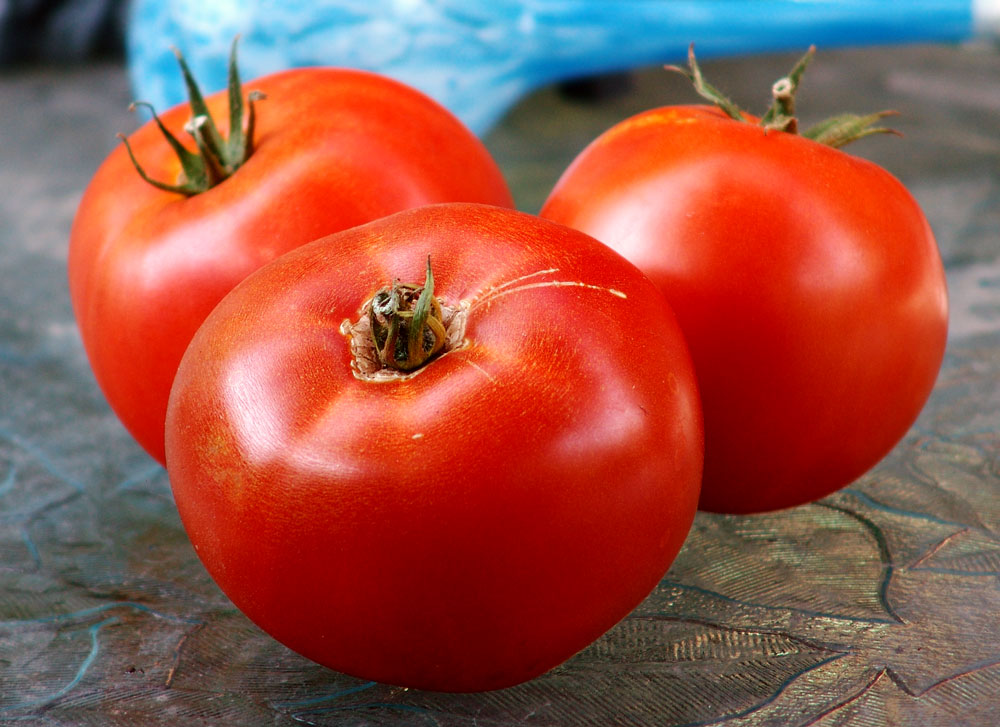
Kellogg’s Breakfast

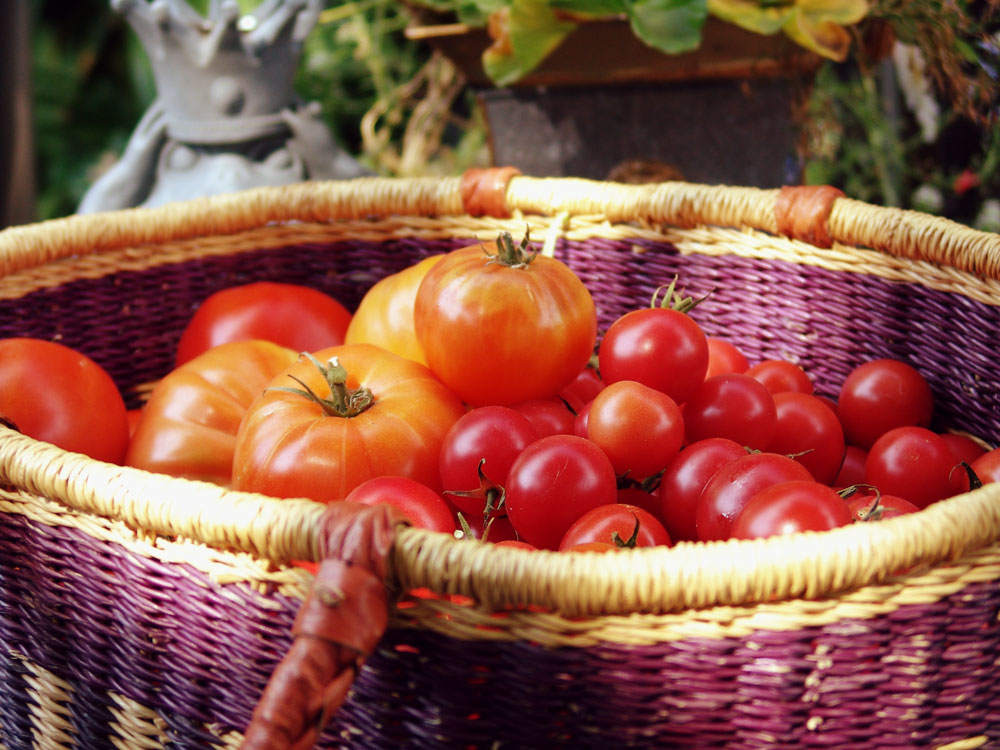
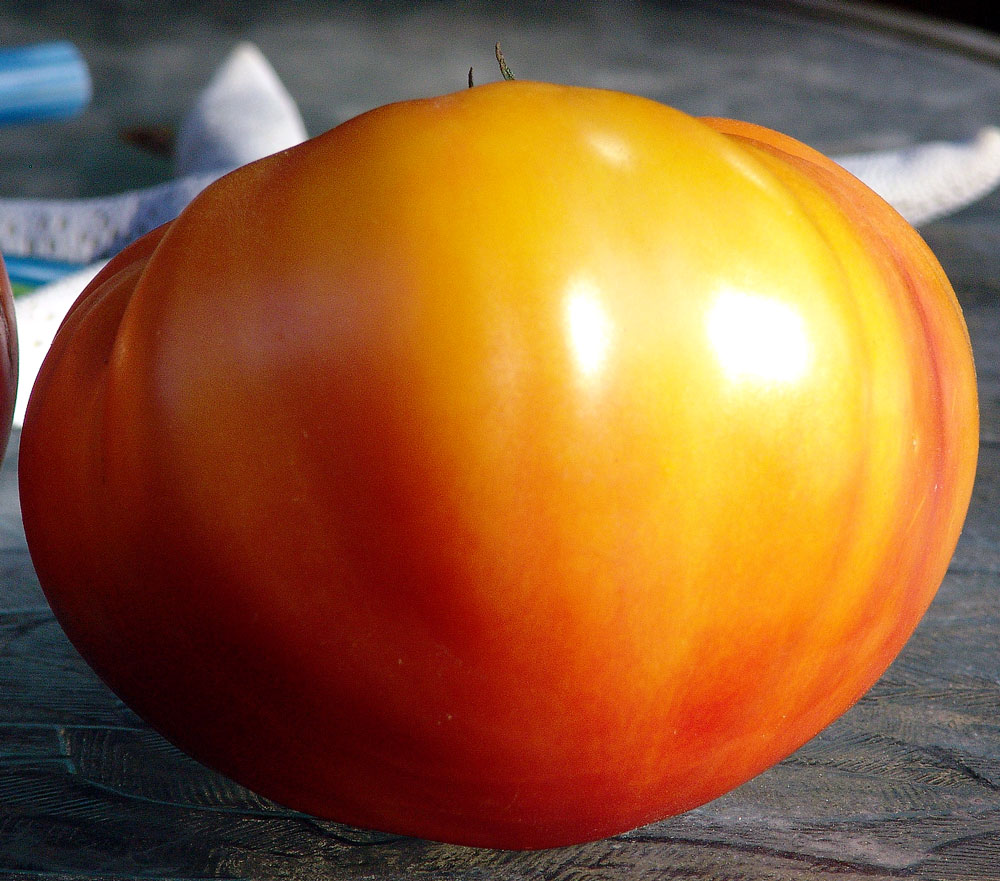
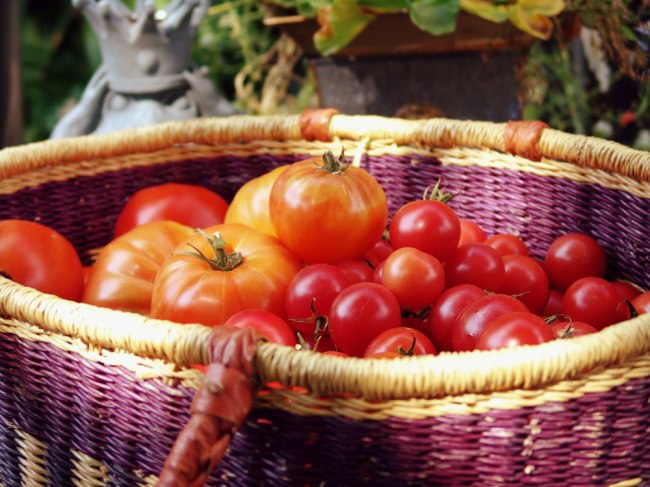
this is one of my daughter’s favorite tomatoes. Lovely, pale-orange fruits are solid and meaty throughout, packed with mild, superb-tasting flesh. A long-season producer of large, beefsteak-type fruits, up to 16 oz., with solid centers that have just a few seeds at the edges. We had 2 pounders one year. This is great tomato for both cooking and eating fresh. Indeterminate, 80-85 days

Image

Kosovo

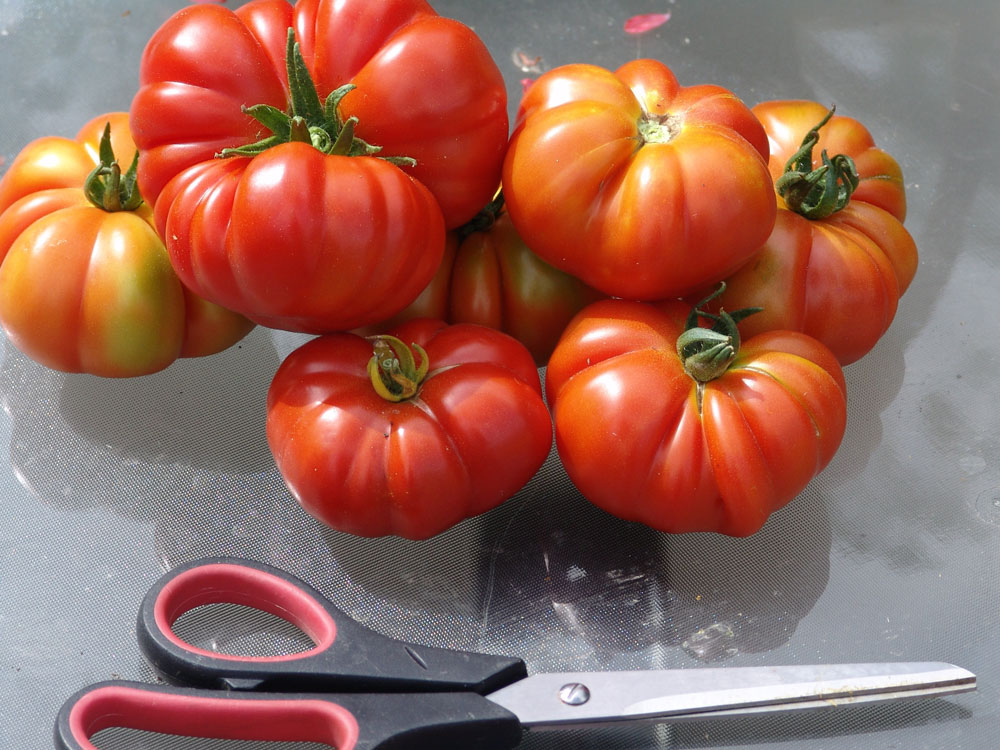
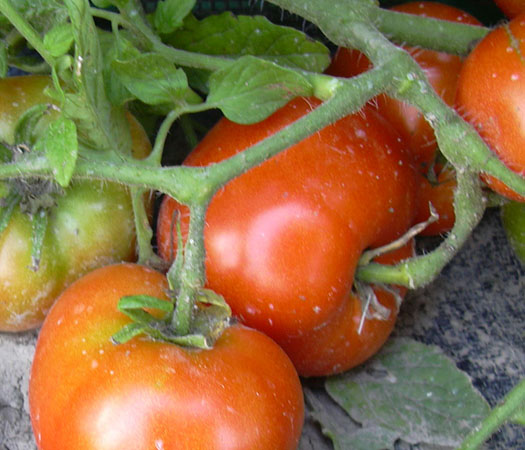
This is another one that I love. Big oxheart shaped red tomatoes. Good flavor. This wonderful variety came from a former U.N. worker in Kosovo, who passed it down to Carolyn Male. Huge, deep pink heart-shaped fruit that has a sweet rich flavor and is very meaty while still being juicy. Production is excellent and the tomatoes are simply beautiful, but it is the delectable and intense tomato flavor that really makes this one special. Tomatoes can grow up to 1 pound, with ranges from 10 to 18 ozs. Indeterminate, 75-80 days

Image


for more information about these tomatoes, go to www.thetomatolady.com

The Letter of the Day is J: “J” is for the Tomato , Jetsetter and the Pepper, Jimmy Nardello,

Jetsetter
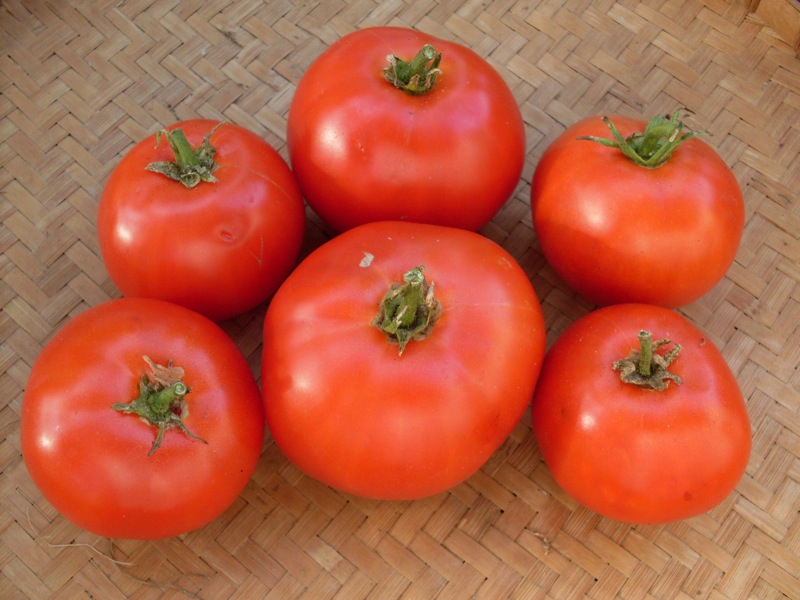
Short season gardeners especially will be happy for this variety that doesn’t sacrifice size or flavor for early maturity. Tomatoes are at least 8 ozs. and often larger with really good, rich flavor. Yields are plentiful on vigorous plants that have lots of disease resistance. VFFNTA  Indeterminate, 64 days

jetsetter2-12

Jimmy Nardello
I love these peppers, they look fiery hot but they arent.

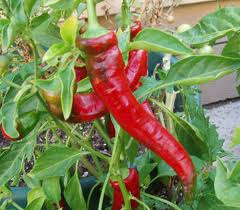
From the small village of Ruoti in the Basilicata region of southern Italy, this heirloom was brought to the states, and introduced in 1887. jimmy nardello

These are a popular frying pepper.

Growing 20-24″, these plants produce loads of long, thin peppers, up to 10″ long. 

The peppers are delicious and sweet. Cooked in a little olive oil, and grilled or fried, or chopped and used raw in salsas and salads. 

These peppers are perfect for pickling or drying.


The Letter of the Day is F: “F” is for Tomatoes, Fiorintino (Costoluto) and Fireworks

Fiorintino

tomato-fiorintino

My description on my website: A fantastic old Tuscan Heirloom variety with dark red skin and juicy delicious flesh. Shaped slightly flattened with fluted shoulders. Fruits are typically about 8 ounces, with a smoother shape than the heavily ribbed Costoluto Genovese. The flavor is high in sugar with excellent acid, making for outstanding taste that’s wonderful fresh or made into sauces. Fusarium resistant too!

My Notes: These were prolific and most were of a medium size. The taste was pretty good too. I liked to cut their tops off and stuff them with chicken salad. The fluted edges really stood out. Great for cooking and salsa.

Indeterminate, 80 days

Fireworks


My description on my website: This is one of the largest, earliest red slicing tomatoes available, and it has excellent flavor. Fireworks is an exceptional variety. Its bright red fruit are 6 to 8 ozs., round with a pointed tip, and borne quite heavily on vigorous plants.

My Notes: One of the earlies that is an indeterminate and a larger tomato which is unusual for an early tomato. Jetsetter and Siletz are all a good size. I will be growing it in my garden for myself this year. I had so many customers who raved about it’s size and taste that I need to see it for myself!

Indeterminate, 60 days

The Wonderful World of Tomatoes (And Some Peppers) My A to Z Theme

Image

Does anyone REALLY know how many varieties of tomatoes there are in the world? I am going to hazard a guess that no one does. I do know that there are hundreds and hundreds of tomatoes, with different colors, shapes, uses, flavors and growing habits. New hybrids are always on the forefront.  I even developed my own – “Mister E” which started as a mystery, but is now one of our favorites.

I raise  tomato and pepper plants using organic methods and sell them every April and May. This year I have 1300 pepper plants (41 varieties) and about 6500 tomato plants (154 varieties). Not only do I sell, but I like to educate people about growing their own food. during this A-Z Challenge I will showcase some of the tomatoes I grow and hopefully have the time to throw in a few peppers.

Now, you probably want to know what my credentials are, what makes me an “expert”. Read on…

I started my gardening journey as a child – my parents had a HUGE garden, and grew Early Girls, Beefsteaks and Roma tomatoes as well as other vegetables and plants. While I loved seeing things grow, I did not like weeding, although my mother claims I actually enjoyed it!

Eighteen years ago – the dark ages to some of you – I started gardening again in Spokane. I started with the standard varieties, but soon became bored and searched for others. Oh, the seed catalogs wooed me with their glossy pages and colorful pictures and tantalizing descriptions of tomatoes I had never even heard of. I started ordering tomatoes with names like Mortgage Lifter, Green Zebra, Orange Russian, Ananis Noir, and Sungold. I was in heaven and as every good gardener does, I planted the entire seed packet.  Usually 25-40 seeds with almost 100% germination! What was I going to do with all my tomato plants?

That first year the excess plants were put in the driveway along with a coffee can as a money box and a sign inviting folks to buy them. People loved them and were as happy as I was to try the different kinds of tomatoes. From there I started doing a local garden show – “The Garden Expo.” In a sense, I have grown with them. I started with one booth and a small greenhouse when it was a small show. Now it is a regional event held at the local community college campus, with 15,000+ customers anticipated this spring, and I have 3 greenhouses growing 6,500 tomato plants, 1,300 peppers, and some herbs. If you make to Spokane on Mother’s Day weekend, stop by on Saturday; my 4 booths are located just beyond the entrance.

Since I started my business, I have researched and grown all kinds of tomatoes – heirloom, patio, early, etc. This year we are planting over 154 varieties! I will be highlighting many of them in my blog in the days to come. I have also developed my own garden soil mix and determined the best fertilizers and additives to get great, tasty tomatoes. I became a Master Gardener for six years to learn more, and also to teach others. Now, my husband calls me the Garden Master, but I am not sure if that is because he thinks that I know a lot about gardening, or because I am always putting him to work in the garden!

Each year we grow something new and learn something as well. Do I know everything? No, but I am always learning and I like to share with others what I know. My next challenge is figuring out how to ship my plants – I have had a number of inquiries from across the United States for plants.

In truth, I never intended to become The Tomato Lady. However my customers came up with the name and I liked it so much that I registered it with the state. When I am not in the garden, I am a graphic artist and I am married to a talented illustrator (We have to do something in the off-season!) We designed the logo and marketing materials.

I hope you will enjoy reading this blog as much as I enjoy sharing it with you. Feel free to also check out my website, TheTomatoLady.com and Facebook page, https://www.Facebook.com/theTomatoLady. God willing, we will continue the journey into tomato gardening together.

Nifty Way to Plant an Accessible Kitchen Garden

Aside

1599072_10151904029761861_1289288943_o

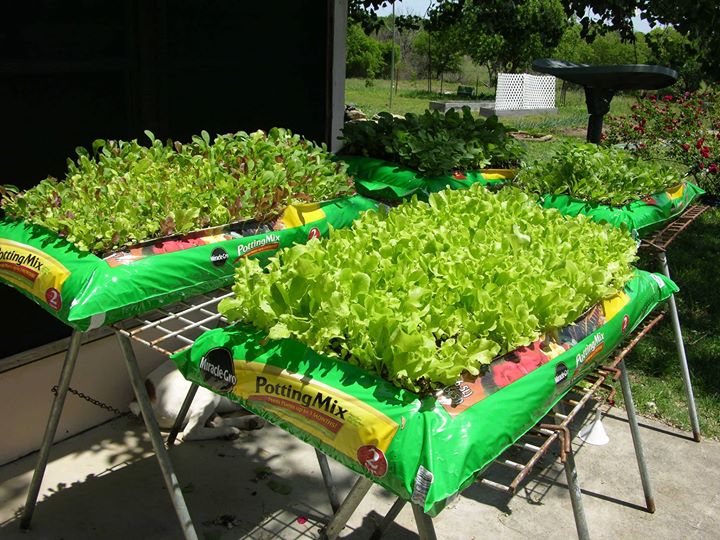
Here is a picture I saw on facebook about a different way to garden. The only caveats: the bag will weigh a lot so make sure that where you put it, is where you want it (you might try putting it on a cart with wheels if you want to move it to catch sun) and that what you put it on, is able to hold it’s weight. Also, PUT DRAINAGE HOLES UNDERNEATH, LOTS OF THEM!

Try shallow rooted veggies like radishes, round carrots, lettuce, spinach, beets etc.

Tomato Terms: What Does It Mean When I Say…Early, Main and Late Season?

ImageSiberia This might be the earliest tomato ever – only 7 weeks from transplanting to table. Capable of setting fruits at 38 F on sturdy dark green plants. The fruits are bright red, 3 to 5 oz. and bunch in clusters. Also good for a patio. Determinate, 48 days

Along with these words usually comes a range of days in which you can expect to start eating tomatoes. (The days are from transplanting not sowing the seed).

Where I live, it can be colder in some areas than others. For instance, Deer Park, is about 10-15 miles north from Spokane. It has predictably colder weather and earlier frosts than we do. Their growing season is a lot shorter than ours and we aren’t geographically that far away. Cheney is colder plus they always have a lot of wind. Different growing conditions is a small area.

After reading my descriptions (www.thetomatolady.com) on my tomatoes or peppers, one of the things my customers ask is if it really will be ripe in 45 days or 60 days. I have to be honest with them and say I can’t give a definitive answer. There are so many variables involved in growing a garden. Weather, soil temps, amount of watering and fertilizing, where did they site the plant and variety.

The biggest one is  the weather, which we have no control over. Last June, it seemed like it rained avery day and was cold. That will keep plants sitting there, in the ground,  just waiting. (The only good thing about that is the plant is working on root development so that when it gets warm they have a good foundation to shoot up). I think I remember having a light frost in early June.

I would like to change my descriptions to early, mid, late and really late. It’s true that a Siberia or a Fourth of July will produce fruit before a late season variety such as Orange Russian or a Gold Medal.

Image

Gold Medal These are fabulous, reminiscent of Big Rainbow. A Ben Quisenberry tomato. Wonderful, 1-1/2 lb., yellow and red bi-color beefsteak tomato with pink marbeling in blossom end, thin skin and luscious sweet, well-balanced flavors. Indeterminate, 85 days

That being said, I have seen some early varieties (48-60 day) that are only about 2 weeks earlier than a 70-75 day tomato. There again it depends on a lot of variables.

It must be nice in the South where have you a longer growing season, if you have to wait longer to get them into the ground it’s ok because you won’t get a frost until November.

There are many ways you can extend your season. Some years  if you wait until all signs of frost are gone you won’t have any tomatoes. At some point you have to get them into the ground. Especially if you live in an area the gets an early fall frost.

I will discuss some ways in later posts

Onions are up and Hot Peppers planted

ImageImageImageearly jalapeno

Onions are up! Impatiens are up! Snapdragons and lobelia too! It’s nice to see signs of spring, even if it’s only under lights in the house.  Oh, and I have Yugoslavian Buttercrunch coming up too.

I tried something different with my onions, I planted them individually in plug trays since they don’t seem to like being transplanted at a young age.

Yesterday I planted hot peppers, Hot peppers are notoriously slow to germinate and then sometimes they are spotty. Depends on the freshness of the seed and the variety. First I soaked them in weak tea. Pain in the butt to separate them, stuck to my fingers. Here is the list: Arbol, Bhut Jolokia (yes, the infamous ghost), Cayenne, Early Jalapeno, Habanero, Hungarian Yellow Wax, Maules Red Hot, Pasilla, Pepperoncini, Serrano, Tabasco, Anaheim, Shishitso

I don’t like hot peppers although I have been know to use a smidgen of jalapeno in my salsa.

We’ve had snow and cold weather until the pineapple express rolled in last night. Now it’s 45 degrees. Melting all our snow.

First Seeds of the Year

Aside

I planted Candy onions in plug trays and Walla Walla Sweets in a broadcast method, the way I have always done them. We will see which does better when it comes to transplanting.

I also seeded some Lisanthus, Lobelia, Crytal Palace and Blue Wings,  pink Brugmansia, snapdragons and several varieties of Impatiens, including the uber expensive rosebud type.

Tomato Terms: What Do I Mean When I Say…Determinate vs. Indeterminate

Continue reading

Some Interesting Trivia About Tomatoes: First Part

black-prince

Black Prince

They were once called a love apple and were thought to be poisonous

Tomatoes are native to the coastal highlands of western South America. The early American colonists brought them to America but most people still viewed them with suspicion. Thomas Jefferson mentions planting them in 1809 but they weren’t widely cultivated until after 1830 when tomatoes started popping up in American cookbooks and gardening manuals. America has had a love affair with tomatoes ever since.